Waiting for light
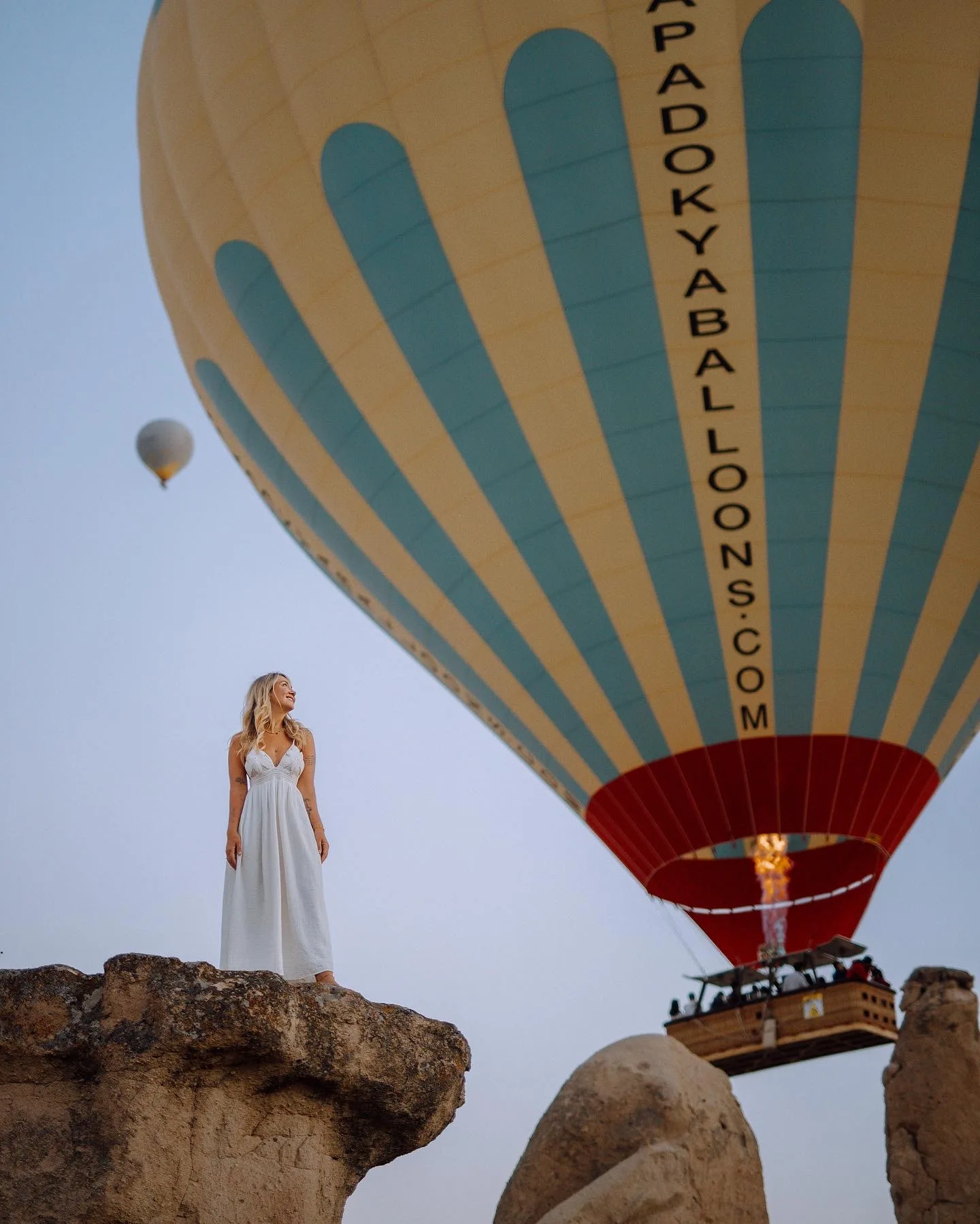
What I most often say to young photographers: don’t chase the golden hour. The harder you chase, the further it runs. Sprinting from one valley to another, you feel you are catching the light, but in truth you are fully in no single place. The light is not faster than you; you are less patient than the light.
Once I’ve chosen a scene, I stay. Two hours if needed. Often I visit a location alone before the shoot — a coffee, a notebook, sometimes nothing. I just sit. To learn where the light will turn that day.
Photography isn’t a matter of exposure. It’s a matter of presence.
Why wait?
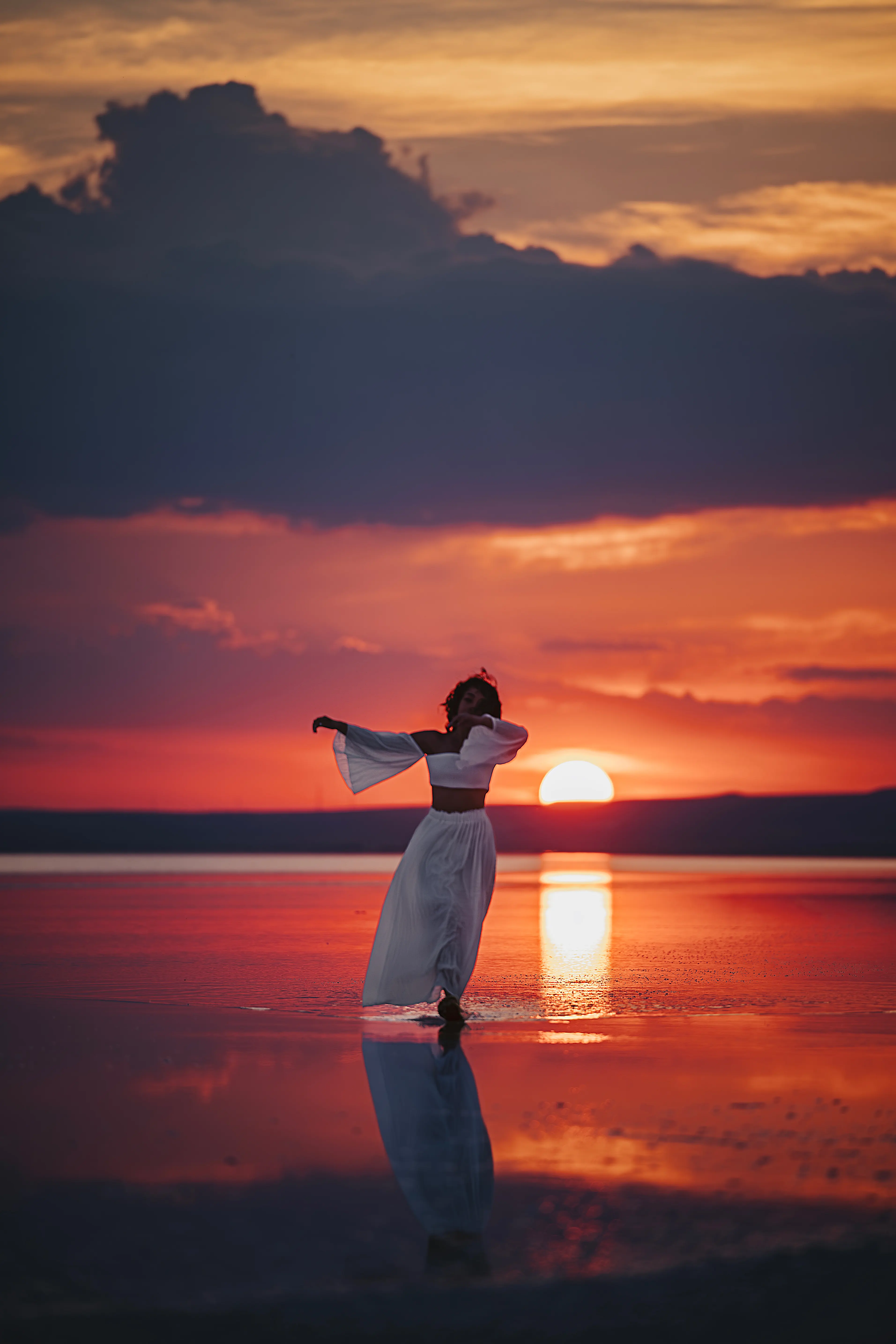
Light has its own rhythm. At sunrise it arrives horizontal and warm; by eleven it is high and hard; in the afternoon it begins its descent again. “Golden hour” is really two separate windows — morning and evening. Inside either window, the light doesn’t hold still. Some minutes a cloud passes and the light softens; some minutes the opposite — it sharpens.
You can anticipate the right moment. You cannot force it. Forcing tightens the frame. Your subject’s face reads “quick, the light’s going” — and that panic makes the photograph.
Sitting, waiting, trusting the light — this is a half of the work as important as holding the camera.
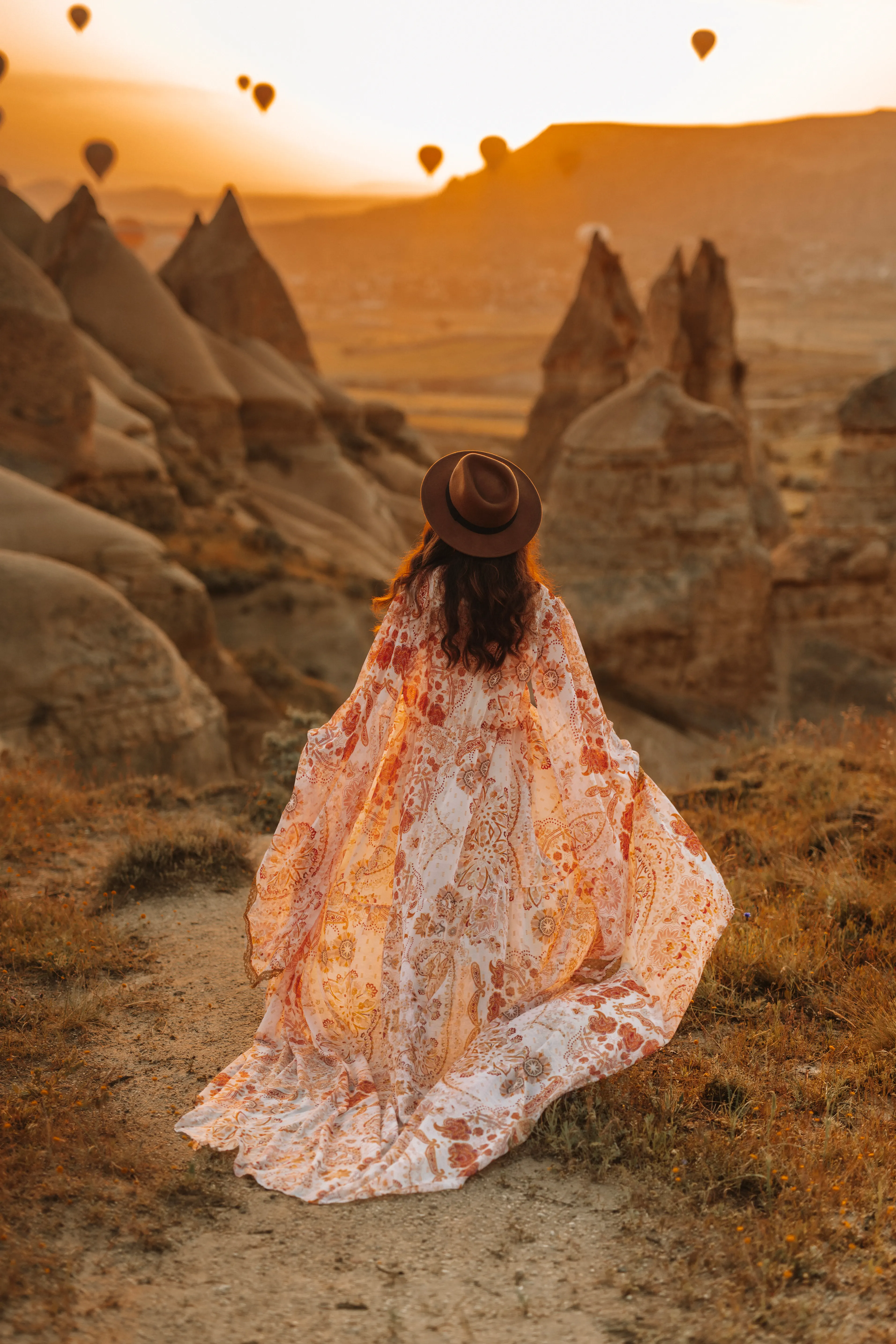
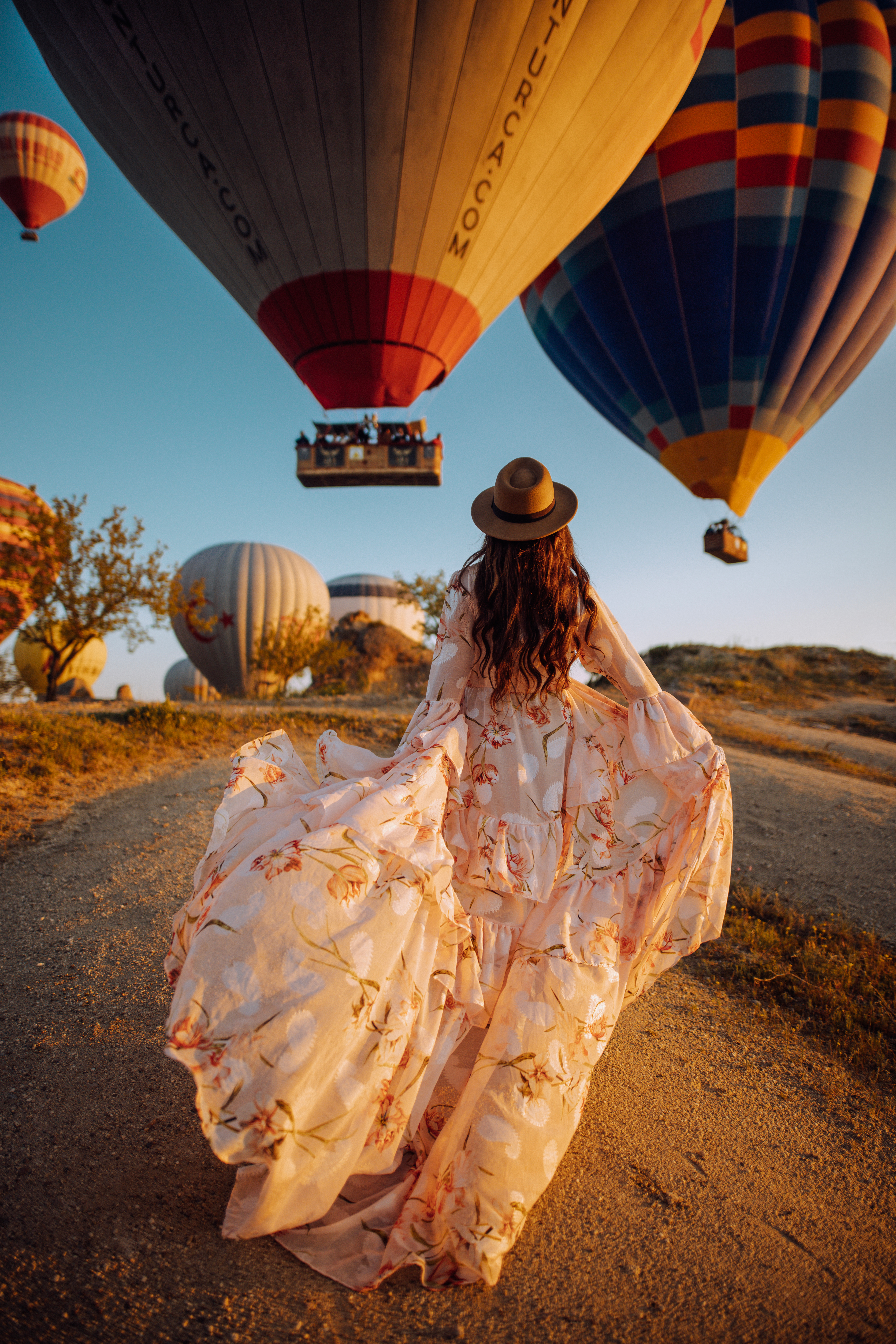
An evening in Cappadocia
Last September I had a couple shoot in Love Valley. The sun would come from the west, the sky looked clear, the plan was simple: start at seven, finish by a quarter to eight.
At a quarter past six, cloud began to build from the west. First one line, then a blanket. The couple tensed. The young man looked at me: what do we do? The woman fixed her dress, as if something would be fixed.
“Let’s sit a bit,” I said. “This cloud will pass.”
We sat. On a rock, a few minutes. I did not photograph. The couple didn’t speak at first, then began of their own accord — how they met, who said what to whom. I listened, smiled occasionally. The camera hung at my shoulder.
Six forty-five. Still cloud. He looked at his watch. “I don’t think it’s going to happen, Merve.”
“Ten more minutes,” I said.
Those ten minutes
At seven-oh-three, the cloud split at its western edge. A small tear. Sunlight spilled through, straight onto their faces. But by then the couple weren’t looking at the scene — they were looking at each other, because they had sat there for half an hour and forgotten themselves.
I raised the camera and shot without stopping for five minutes. Then the light was gone, the cloud closed, the day ended. Those five minutes gave me the fifteen best frames of that session. Half the selection I delivered came from them.
If we’d panicked, if at six-twenty we had given up and walked down, the frame would have belonged to some other photographer. Or to no one at all.
Patience isn’t a technique
Patience isn’t listed as a technique in the books. Because it isn’t one. It’s a belief. The light comes, because it always has. The cloud clears, because it always has. Your only job is to be there — not tense, but ready.
Ready is different. Camera in hand, exposure dialled, your subject relaxed. But your finger isn’t on the shutter. You don’t press before it arrives.
Notes for the younger photographer
If you’re beginning, this is what I’d tell you.
Arrive early. Be at the location at least an hour before the shoot. Watch what the light is doing. Where it comes from, where it lands, which surfaces reflect it. Don’t draft a plan — just learn the place.
Don’t infect your client with panic. If you tense, they tense. Say “it’s going well.” Say “let’s wait.” Say “look over there for a bit.” Never say “the light is leaving, quick.”
Don’t force the frame. If you didn’t get it, you didn’t get it. A better one will come on the next shoot. Forced frames don’t escape the client’s eye — their faces are tight.
Most of all: trust the light. It comes. It always has. You only have to be there.